

Discharge Planning
Discuss nonmedical support needs and referrals as individuals transition home.
Learn moreConnecting care teams, individuals, and families for better transitions.
TLC welcomes conversations with hospitals, discharge planners, social workers, case managers, clinics, and other healthcare organizations about coordinated support after a facility stay or during ongoing care.
Discuss nonmedical support needs and referrals as individuals transition home.
Learn more
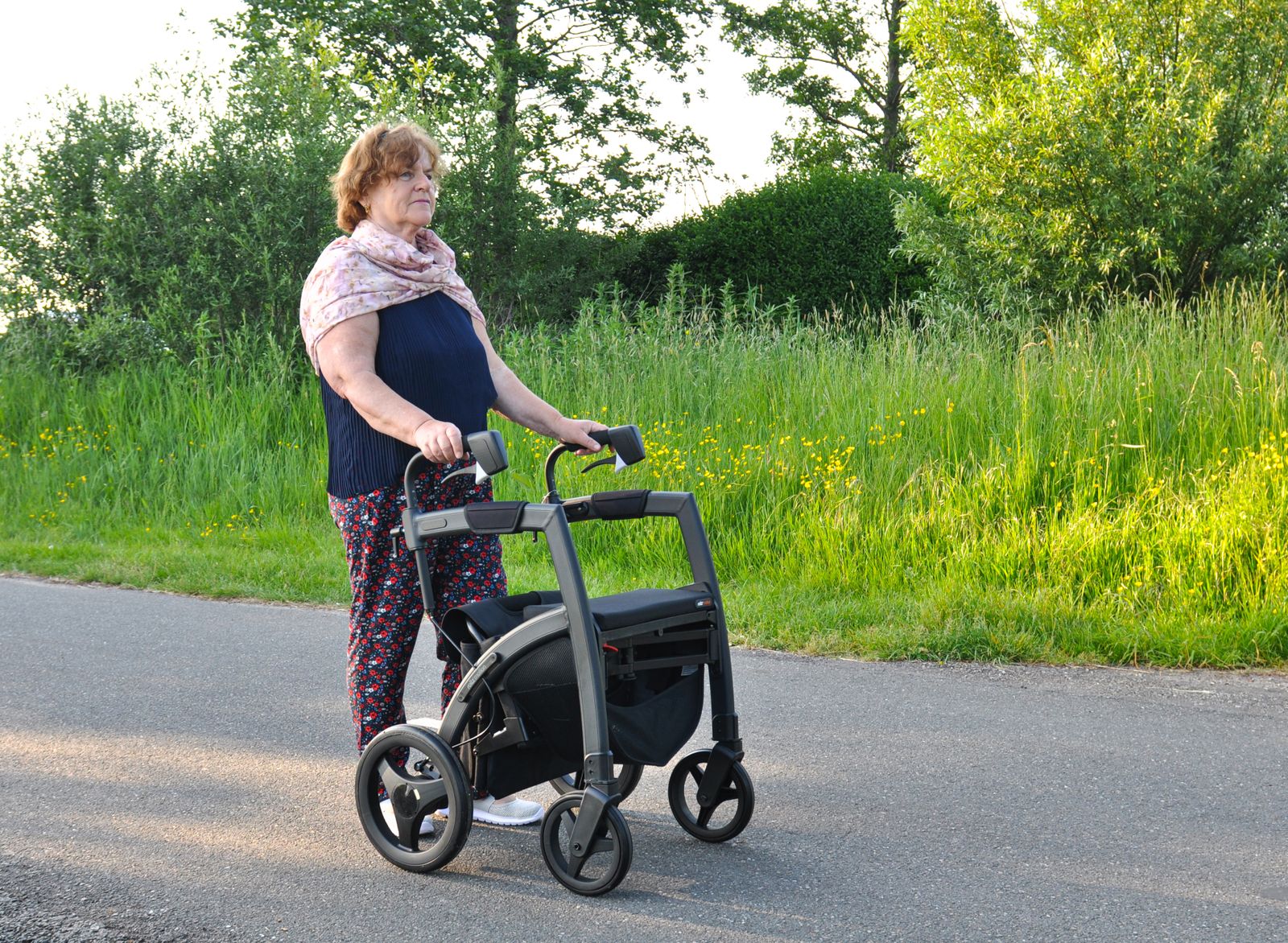
Ask about equipment categories and purchasing options as they become available.
Learn moreContact TLC to discuss referral criteria, response expectations, communication workflows, and any applicable agreements. Specific contractual relationships are not listed publicly until confirmed and authorized for publication.
Connect with our team to discuss services, eligibility, and next steps.
Explore what this service or topic means in practice, what to consider, and how to plan the next steps.
Hospital teams may direct families to explore nonmedical home care after discharge, subject to availability and suitability.
Discuss personal care, respite, companionship, chores, and other services that may fit a discharge plan.

Families may ask about DME categories and next steps for product availability and ordering.

A referral process should specify what information may be shared, who can receive updates, and how consent is documented.
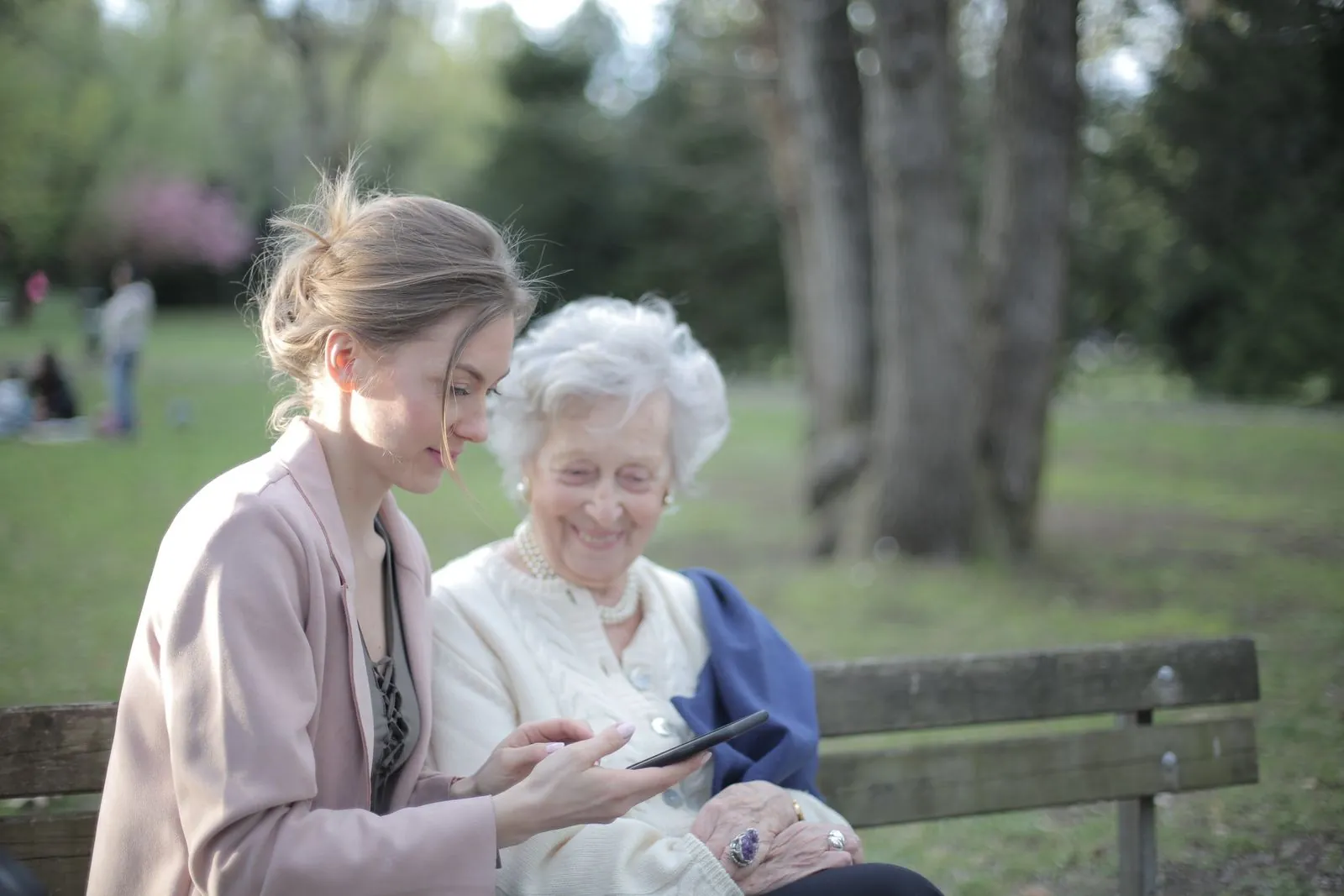
Use these prompts to prepare for a conversation with TLC or the appropriate care professional.
Returning home after a hospital stay or rehabilitation can involve changes in mobility, daily routines, and family responsibilities. TLC can discuss non-medical support such as bathing, dressing, meal preparation, light housekeeping, companionship, and help organizing appointments.
Discharge teams can help identify expected needs, while TLC can discuss whether its non-medical services and staffing are appropriate for the person’s home situation. Medical orders, skilled nursing, therapy, and medication management remain with appropriately licensed clinical professionals.
Before discharge, families may want to check access to the bathroom, walking routes, lighting, food and household supplies, transportation arrangements, and the availability of mobility aids. TLC can discuss the practical help a caregiver may provide once the person returns home.
When contacting TLC, share the anticipated discharge date, community, expected schedule, activities requiring assistance, and a family or authorized contact. Avoid sending sensitive medical records through an unsecured general inquiry form.